
 September 17, 2026
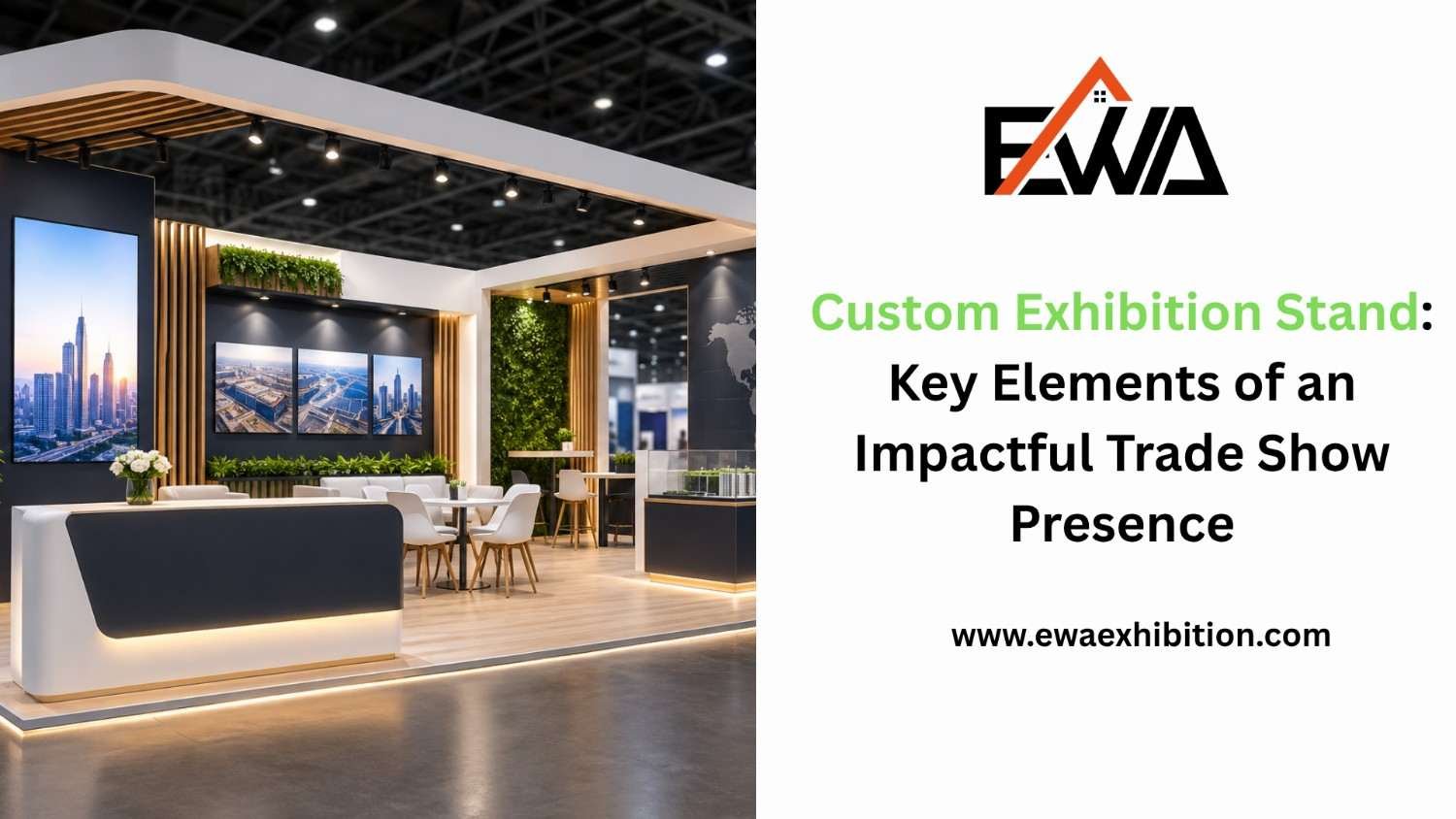
A custom exhibition stand is a purpose-built, unique booth that is designed and fabricated by keeping in mind the brand’s objective. As trade shows typically have a lot of attendees, and the first goal of any brand is capturing their attention within the first five seconds, choosing a custom exhibition stand is the sure-shot way to achieve this. The key elements that separate a custom exhibition stand from other general ones are a clear visual message of the brand, how the space is smartly planned around the booth, and interactive and technologically driven features that create an overall immersive experience for the visitors. Here are the key features of an impactful exhibition stand, in detail.
How to Design an Exhibition Stand That Reflects Your Brand
When it comes to designing an impactful custom exhibition stand that reflects your brand most accurately, opt for modern and classy stands that are not too overpowering. Modern stands are these days preferred by exhibitors, as they put a clear message of the brand while also giving space to the visitors to engage with the products offered.
The key is to design a stand that balances creativity along with the technical aspect of the stand. One way to achieve this is by following a structure-first, concept-second framework. This means that you should design the technical foundation first so the creative elements can shine safely and at their best.
5 Core Elements that Create Memorable Exhibition Stand Design
● Space Planning Comes Before Anything Else
Before a single design element gets decided, the actual footprint needs proper thought. How visitors will move through the space, where conversations will naturally happen, and which product or message needs the most visual weight. All of these put weight before you jump in to design the graphics or colors or materials of your exhibition stand.
The space should be designed strategically so that the booth feels welcoming, is clutter-free, and has distinct zones for visitors to see and experience the product, while providing semi-private conversation areas for closing deals.
● Branding Has to Read Fast, From a Distance
Visitors decide whether to approach a stand within seconds, usually while still several meters away. That means branding needs to communicate at a glance. Three-second messaging is when there is clear signage, a recognizable color identity, and messaging that doesn’t require someone to walk right up and squint to understand what’s actually being offered. A custom exhibition stand builder understands the importance of placing your main logo and core message at eye level so that a visitor immediately grabs your offerings.
● Materials Decide How the Stand Ages Across the Show
A stand that looks sharp on day one and tired by day three has usually cut corners on materials. Weight, finish, and how a surface holds up under constant handling all matter more than they seem to at the design stage. A few things worth prioritizing:
- Durable finishes that don’t scuff or dull under three or four days of heavy foot traffic
- Lighting that holds its effect consistently, not just under studio photography conditions
- Structural elements rated for the specific venue’s build requirements, since not every hall allows the same load or height
● Intentional Lighting to Highlight Key Areas
Lighting surely plays an important part in designing your exhibition stand. Intentional lighting can easily highlight what your most important products are. You can go for spotlights and backlights to guide the eyes towards important graphics and brand signage. Also, studies have suggested that adding bright lights creates a warm and welcoming experience for visitors and makes them attentive towards your offerings when compared to dim lights.
● Interactive Elements Are Doing More Work Than Ever
Static displays are losing ground fast to stands that give visitors something to actually do. For instance, a digital kiosk, a live product demo, and a touchscreen presentation can add that fun element to your offerings but also create an engaging experience for your visitors that motivates them to buy your products. This isn’t just a trend for tech-heavy sectors either, as even more traditional industries are finding that a hands-on moment holds attention longer than a wall of printed panels ever could.
Why Working With a Single Team End-to-End Matters
Design and fabrication are two important elements in translating the vision of your exhibition stand to reality. When these important aspects are handled by different teams, the original idea often gets lost, and the finalized exhibition stand simply lacks cohesion. That’s why choosing an exhibition stand partner that does it all is highly important. EWA Exhibition runs concept development, design, and fabrication under one in-house team specifically to avoid that gap, keeping the final build consistent with what was actually approved at the design stage.
About EWA Exhibition – Top Custom Exhibition Stand Builders & Booth Design Company in Europe
EWA Exhibition is a leading custom exhibition stand builder in Europe. The utmost trust our clients put in us is due to our ability to customize booth designs according to their brand image. We have over ten years of experience gained from our work in various countries, including Asia and Europe, as well as in the United States. Our in-house design team handles every step of creating a booth, from its design to its production, guaranteeing strict adherence to high-quality standards. We make each stand immersive by integrating interactive and digital solutions like touchscreens, augmented reality (AR), and virtual reality (VR).
With a global presence spanning Germany, Italy, Spain, France, the UK, the Netherlands, Switzerland, and the UAE, you can trust EWA Exhibition to deliver a stand that performs wherever your next show takes you.
FAQs
How far in advance should I start planning a custom exhibition stand?
Ideally 3-4 months before the show date, allowing time for design revisions, fabrication, and venue coordination.
Can a custom stand be reused across multiple shows?
Yes. You can reuse a custom stand across multiple shows if it’s designed with a hybrid framework or has a modular backbone.
What’s the difference between a custom and modular exhibition stand?
Custom stands are built specifically around one brand’s design, while modular stands use reusable components that can be reconfigured for different shows.
Does working with a single design-and-build team actually save money?
Generally yes, since it avoids the miscommunication and rework costs that come from separate design and fabrication teams.


