
 June 19, 2026
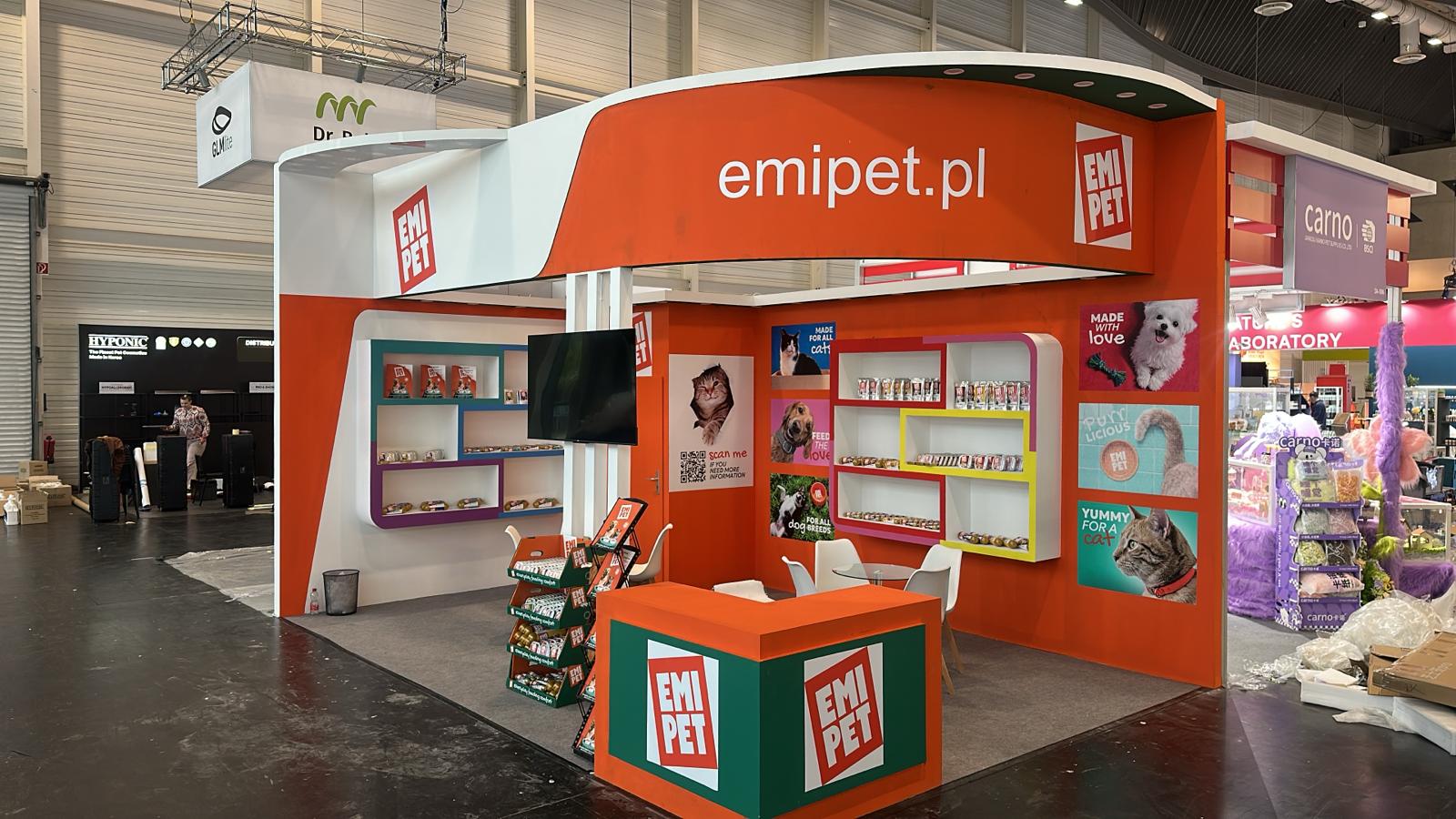
Honestly, walking into a large technology exhibition can feel a little overwhelming – and that’s exactly the experience your visitors are having too. Hundreds of brands, all competing for attention, all convinced their product is the most exciting thing in the room. So what actually separates a pavilion that pulls people in from one that gets walked past? More often than not, it comes down to design choices that were made weeks before the show even opened. If you’re putting together a pavilion exhibition stand in Europe, these are the things worth getting right.
Your Space Should Communicate Before Anyone Opens Their Mouth
A lot of exhibitors make the mistake of relying on their staff to do all the heavy lifting. But visitors decide whether to enter a stand long before anyone says hello. The layout, the signage, the height of the structure, the colours – all of that is already talking to people as they walk down the aisle. At tech and innovation shows especially, first impressions happen fast. So make sure your space communicates who you are and what you do without needing any explanation. That’s genuinely one of the harder things to get right, but when it works, it makes everything else easier.
How You Use Tech Inside the Stand Actually Matters
This one’s a bit ironic – tech companies sometimes have the worst tech integration in their booths. Screens playing looping videos nobody watches, demo stations that require a ten-minute explanation, tablets mounted at awkward angles. A few things that tend to work better:
- Demos that visitors can explore at their own pace, without feeling guided or watched
- Displays positioned to catch attention from outside the stand, not just inside it
- Digital content that supports your core message rather than running parallel to it
A well-thought-out exhibition stand in Europe’s pavilion space will use technology to open conversations, not replace them.
Lighting Sets the Whole Tone
Genuinely underestimated. Two pavilions with identical structures can feel completely different based on how they’re lit. Cool, directed lighting on product areas creates focus. Softer ambient light in seating or conversation zones makes people comfortable enough to stay longer. Big exhibition halls tend to have flat, even lighting throughout – which means your stand design for a European pavilion exhibition needs to create its own atmosphere rather than relying on what the venue provides.
Give People a Reason to Actually Come Inside
Open layouts help, but there needs to be something drawing visitors in – not just an absence of walls.
- Position your most visually interesting element toward the front or aisle-facing side
- Build in a clear zone for demos, separate from where conversations happen
- Avoid cluttering the entrance with furniture, counters, or staff huddles
When a pavilion exhibition stand across Europe is zoned properly, visitors naturally move through it in a way that feels comfortable rather than staged.
Sustainable Builds Are Worth the Conversation
Modular structures that travel and reassemble well, materials that don’t look cheap after one show, lighting that doesn’t run up a huge energy bill – these things matter more now than they did a few years ago. An exhibition stand built for a European pavilion with reusability in mind also tends to be more cost-effective over time, which is worth bringing up with your builder early in the process.
Exhibiting at a technology show in Europe? Ewa Exhibition handles pavilion stand design and build across major European trade events – head to ewaexhibition.com to start the conversation.


